Common Waste Management Mistakes That Increase Project Costs
Waste builds up quickly on active construction and demolition sites. Offcuts, scrap metal, damaged materials and general debris can all accumulate faster than expected once work is underway. Without a clear system in place, waste handling can start affecting site access, labour efficiency and project timelines before anyone notices the impact.
For many projects, the cost of poor waste management goes beyond disposal fees alone. Delays, additional bin hire, unnecessary landfill charges and time lost managing cluttered worksites can gradually increase overall project costs across the build.
With skip bin hire Sunshine Coast projects often require flexible waste solutions across multiple stages of work, planning ahead becomes an important part of keeping sites organised and operating efficiently. Material separation, bin sizing and collection timing can all influence how smoothly a project progresses.
In this guide, we look at some of the most common waste management mistakes seen across construction and demolition projects, and how better systems can help reduce costs, improve efficiency and support more effective recycling outcomes.
Poor Waste Planning Often Creates Problems Before Work Even Begins
Waste management is often treated as something to organise once work is already underway. In practice, this can create issues early in the project, particularly on busy sites with limited access or multiple trades working simultaneously. Planning waste removal from the beginning helps reduce disruption later on.
- Estimating likely waste volumes
- Planning collection access points
- Coordinating delivery and pickup timing
- Identifying recyclable materials early
- Allocating space for waste separation
A structured waste plan helps sites operate more efficiently as work progresses. It also reduces the likelihood of reactive decisions later in the project.
Mixing Recyclable Materials With General Waste Can Increase Disposal Costs
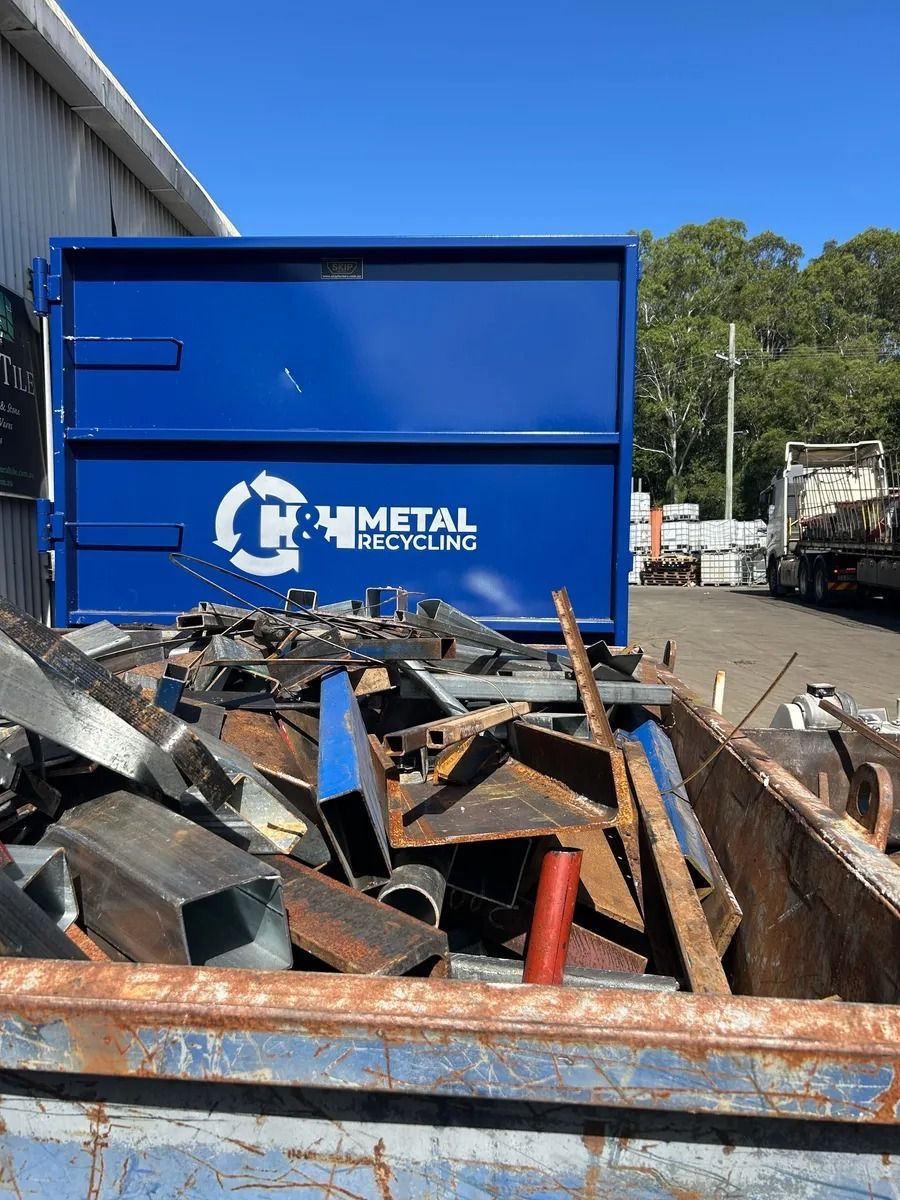
One of the more common site issues involves recyclable materials being placed into general waste bins unnecessarily. Scrap metal, clean concrete and other recoverable materials may end up contributing to landfill costs simply because sorting systems were not established clearly from the outset.
- Scrap metal mixed with general waste
- Reduced recycling recovery opportunities
- Increased landfill disposal costs
- Difficulty separating materials later
- Contaminated recyclable loads
Separating materials earlier in the process can help reduce disposal expenses. It also supports more effective recycling outcomes across the site overall.
Underestimating Bin Size Often Leads to Delays and Extra Hire Costs
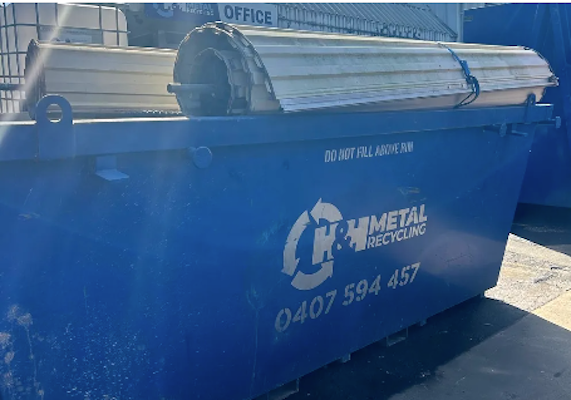
Choosing the wrong bin size can affect both workflow and project costs. Smaller bins may require more frequent collection or replacement, while overloaded bins can create safety and compliance issues on site. Matching the bin size to the scale of work helps avoid unnecessary disruptions.
- Multiple collection requirements
- Overflowing waste around bins
- Delays waiting for replacement bins
- Additional transport and hire costs
- Limited site access around waste areas
Proper sizing helps waste removal operate more smoothly throughout the project. It also reduces interruptions that can affect site productivity.
Scrap Metal Is Frequently Treated as Waste Instead of a Recoverable Resource
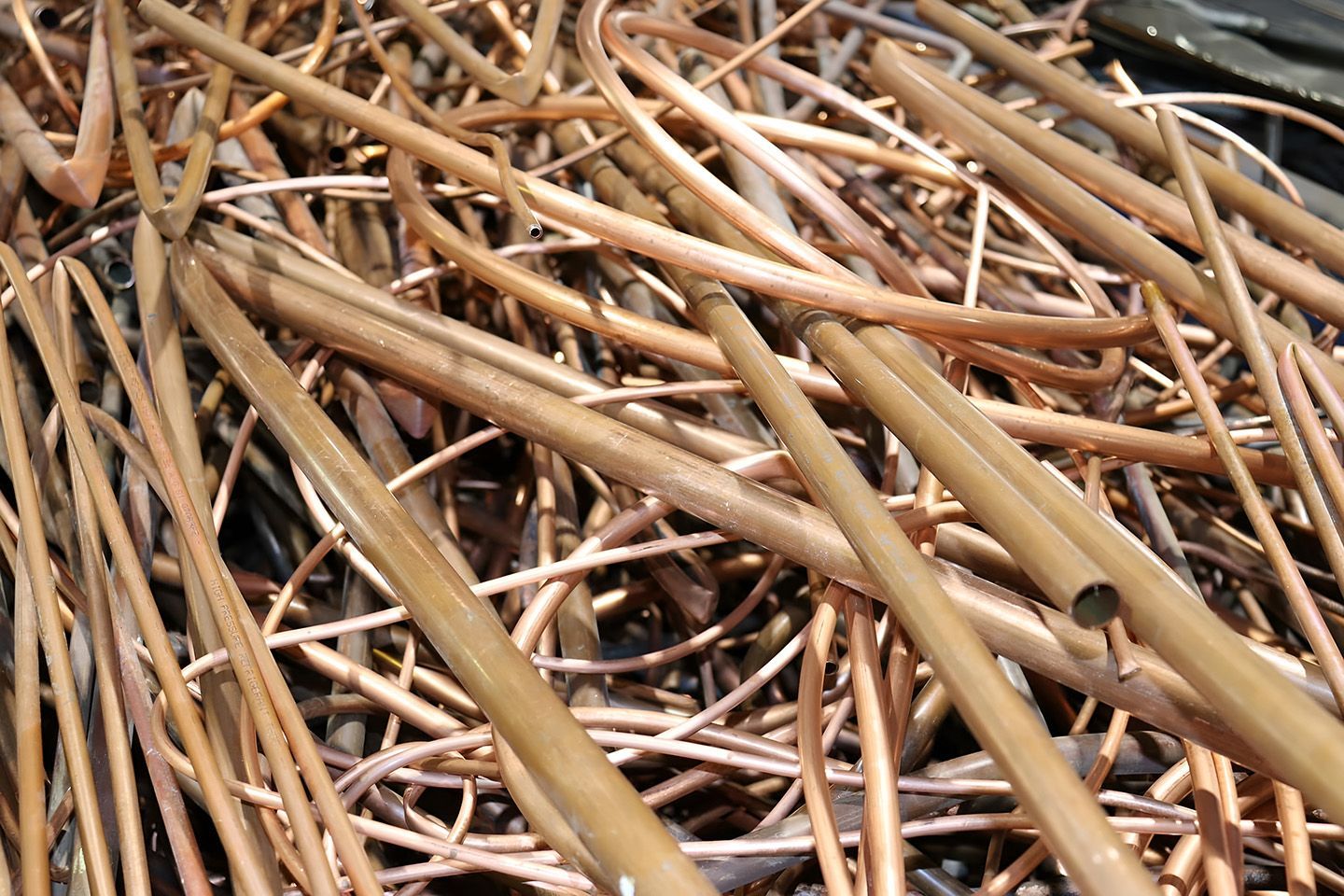
Construction and demolition projects often generate significant amounts of recyclable metal. Steel, aluminium, copper and other materials may still hold recovery value when separated properly rather than being discarded with general waste.
- Steel framing offcuts
- Copper wiring and pipework
- Aluminium materials
- Metal roofing and sheeting
- Machinery and demolition scrap
Treating recyclable metal separately can improve resource recovery and reduce unnecessary disposal volumes. It also creates a more organised approach to site waste handling overall.
Overflowing Bins and Disorganised Sites Slow Down Productivity
Waste management directly affects how efficiently a site functions day to day. Overflowing bins, blocked access areas and unmanaged debris can slow movement around the site and create additional handling work for trades already working to deadlines.
- Reduced access for machinery
- Slower movement around site areas
- Additional labour spent relocating waste
- Increased safety risks
- Delays between project stages
Maintaining cleaner waste zones supports smoother day-to-day operations. It also helps keep work areas safer and more manageable across different stages of the build.
Over-Ordering Materials Can Create Avoidable Waste Across the Project
Material waste is not always caused by demolition or construction activity itself. Ordering more materials than required can increase disposal volumes unnecessarily, particularly across larger projects where small overruns multiply quickly.
- Excess timber and framing materials
- Surplus concrete and masonry products
- Packaging waste accumulation
- Unused metal materials
- Increased skip bin volumes
More accurate material planning can help reduce waste before it reaches the bin. It also supports tighter overall project cost control.
Working Without a Clear Sorting System Can Affect Compliance and Efficiency
Sites without clear waste separation systems often experience slower cleanup processes and less efficient recycling outcomes. Trades may dispose of materials inconsistently when bins are not labelled properly or sorting expectations are unclear.
- Mixed waste contamination
- Reduced recycling efficiency
- Slower cleanup processes
- Increased disposal costs
- Difficulty meeting site requirements
Simple sorting systems can improve site organisation considerably. They also help waste removal processes stay more consistent throughout the project.
Choosing the Right Waste and Recycling Partner Helps Projects Run More Smoothly
Reliable waste collection and recycling support can make a noticeable difference on active worksites. For skip hire on the Sunshine Coast, flexible scheduling, appropriate bin sizing and practical site coordination all contribute to smoother project management overall.
- Flexible bin delivery scheduling
- Access to multiple bin sizes
- Reliable collection coordination
- Support for recyclable material separation
- Reduced project disruption
Working with experienced waste management providers helps reduce avoidable site complications. It also supports more efficient handling of construction and demolition waste across the project lifecycle.
Keep Your Project Running More Efficiently
Here at H&H Metal Recycling, we work with builders, contractors and project managers looking for practical waste solutions across construction and demolition sites. From skip bins Sunshine Coast projects rely on through to scrap metal recovery and recycling support, we help keep waste management organised so sites can continue operating more efficiently.
If you’re planning a project and comparing skip hire on the Sunshine Coast, our team can help you organise the right bin sizes, collection timing and recycling options to support your workflow and site requirements. Contact us today.