Why Metal Recycling Is Crucial During Renovations And Demolitions
Renovation and demolition projects generate large volumes of waste, much of which is made up of valuable metals. From structural steel and copper wiring to aluminium frames and roofing materials, building sites are a major source of recyclable metal. Managing this waste responsibly is not only better for the environment but can also deliver real financial and compliance benefits for builders and property owners.
For projects of all sizes, metal recycling on the Sunshine Coast plays a critical role in reducing landfill use, controlling disposal costs and supporting more sustainable construction practices. Understanding why metal recycling matters — and how to approach it correctly — helps ensure renovations and demolitions are handled efficiently and responsibly.
Why Metal Recycling Matters During Renovations and Demolitions
Renovation and knockdown projects often focus on speed and efficiency, but waste management should never be an afterthought. Metals are one of the most recyclable materials used in construction, yet they frequently end up mixed with general waste if not managed properly. Recycling metal during renovations and demolitions helps to:
- Divert large volumes of waste from landfill
- Reduce the demand for raw material mining
- Lower overall environmental impact
- Support a circular economy within the construction industry
Unlike many building materials, metals can be recycled repeatedly without losing quality, making them particularly valuable.
Common Types of Metal Waste on Building Sites
Most renovation and demolition projects generate a wide range of
scrap metals. Identifying and separating these materials early makes recycling far more effective.
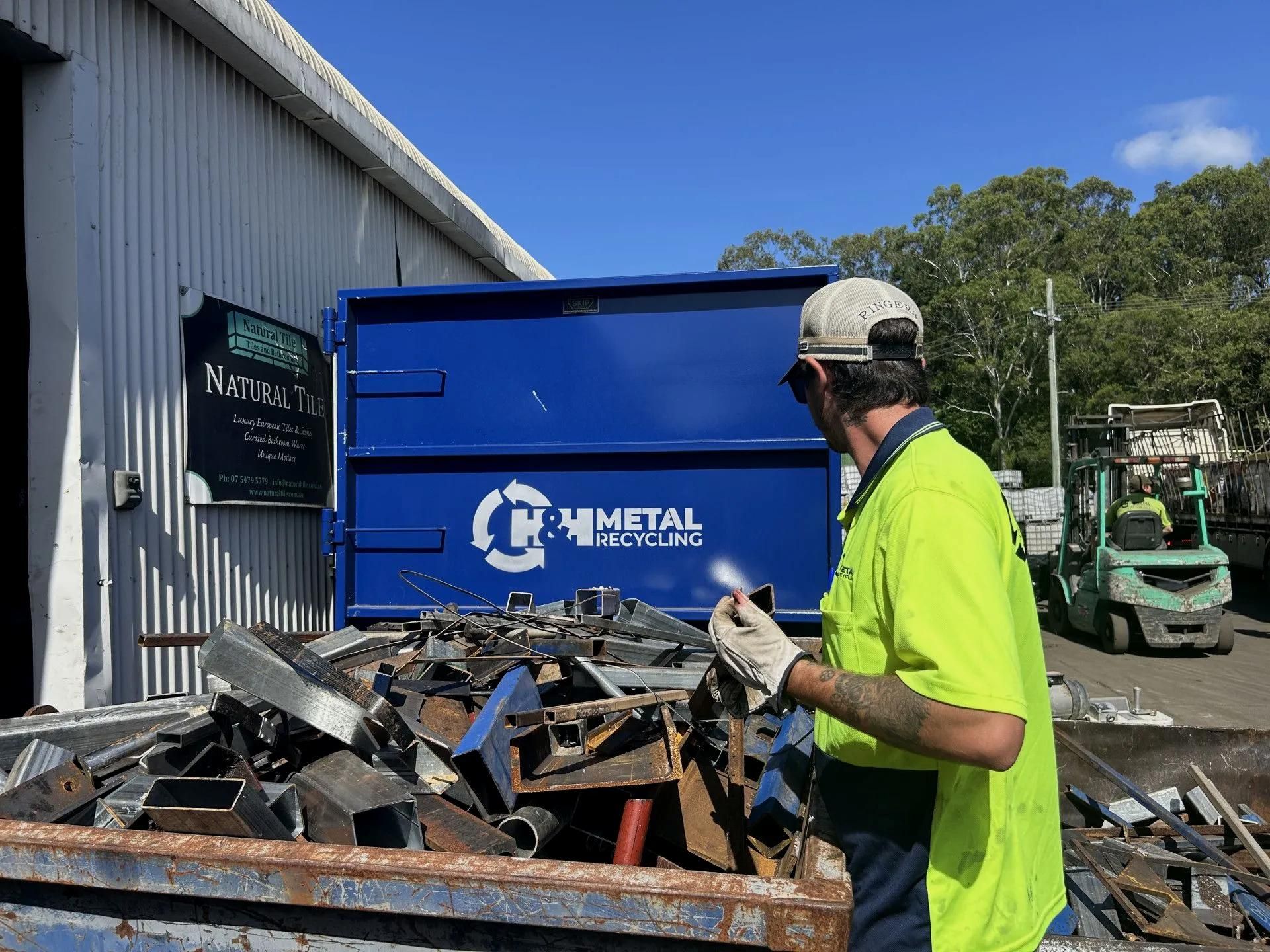
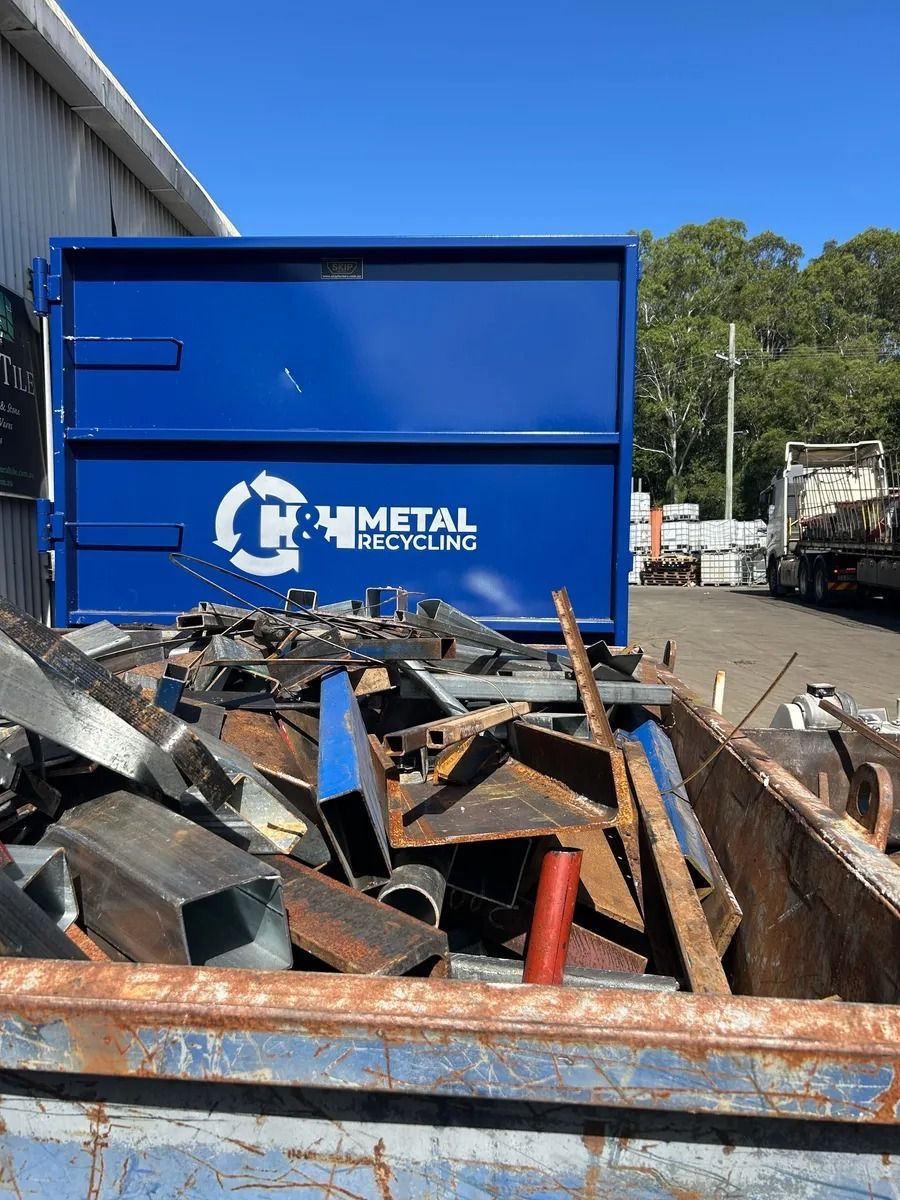
Structural and Framing Metals
These often include steel beams, frames, brackets and reinforcements removed during structural changes or full demolitions.
Roofing and External Materials
Metal roofing sheets, flashing, gutters and downpipes are common sources of recyclable metal, particularly in older buildings.
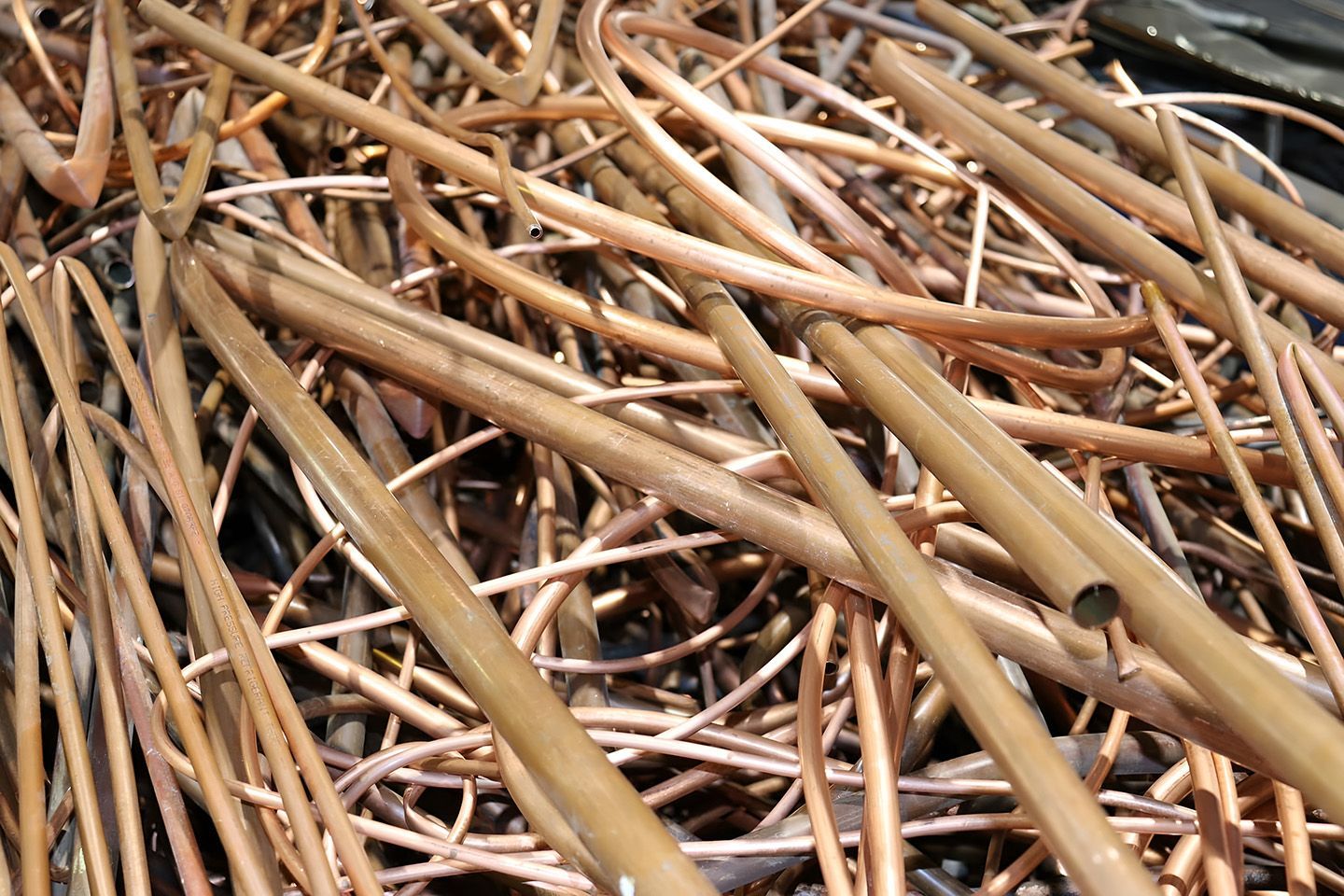
Electrical and Plumbing Metals
Copper wiring, pipes and fittings are frequently removed during renovations and are highly recyclable.
Aluminium Components
Window frames, doors, balustrades and cladding panels often contain aluminium that can be recovered and reused. Separating these materials on site makes it easier to recycle efficiently and reduces contamination.
Reducing Landfill Use and Environmental Impact
Landfill capacity is a growing concern, particularly in regions experiencing ongoing development. Construction and demolition waste accounts for a significant proportion of landfill volume, making recycling an essential part of responsible building practices. Metal recycling reduces landfill use by:
- Removing heavy, non-degradable materials from waste streams
- Reducing the volume and weight of waste sent to disposal facilities
- Lowering long-term environmental harm
For builders aiming to minimise their footprint, metal recycling on the Sunshine Coast is one of the most effective waste reduction strategies available.
Lowering Waste Disposal Costs
Disposing of mixed construction waste can be expensive, especially when heavy materials like metal are involved. Landfill fees are often based on weight, meaning metal waste can significantly increase costs. Recycling metal can help reduce expenses by:
- Lowering landfill tipping fees
- Reducing the number of waste bins required
- Streamlining site clean-up processes
In some cases, recyclable metal can even offset costs, making recycling a financially practical choice rather than just an environmental one.
Supporting Sustainability Goals for Builders and Businesses
Sustainability is increasingly important in the construction industry. Builders, developers and contractors are under growing pressure to demonstrate responsible waste management practices. Metal recycling supports sustainability objectives by:
- Reducing reliance on virgin raw materials
- Lowering energy consumption compared to new metal production
- Demonstrating commitment to environmentally responsible practices
For commercial projects, recycling scrap metal can be an important part of meeting internal sustainability targets or client expectations.
Regulatory and Compliance Benefits
Waste management regulations continue to evolve, with increased focus on reducing landfill and improving recycling rates. Proper handling of metal waste helps builders stay aligned with regulatory expectations. Benefits include:
- Improved compliance with waste management guidelines
- Reduced risk of penalties related to improper disposal
- Better documentation for environmental reporting
Using professional
commercial metal recycling on the Sunshine Coast helps ensure waste is handled correctly and transparently.
Improving Site Safety and Organisation
Separating metal waste from general debris improves overall site safety. Scrap metal can pose hazards if left unmanaged, including sharp edges, tripping risks and unstable piles. Recycling metal during a project helps:
- Keep sites cleaner and more organised
- Reduce safety risks for workers and visitors
- Improve efficiency during clean-up phases
A well-managed site is safer, more productive and easier to maintain.
Why Early Planning Makes a Difference
The most effective metal recycling strategies begin at the planning stage. Waiting until the end of a project often results in mixed waste that is harder and more expensive to process. Early planning involves:
- Identifying recyclable metals before work begins
- Allocating space for separate metal collection
- Coordinating timely collection or drop-off
This proactive approach ensures recycling is integrated smoothly into the project workflow.
The Role of Professional Metal Recycling Services
Professional recyclers provide the infrastructure and expertise needed to manage scrap metal efficiently. They understand how to sort, transport and process different metal types correctly. Working with a dedicated recycler ensures:
- Accurate identification of recyclable materials
- Efficient collection and processing
- Environmentally responsible handling
For renovation and demolition projects, this support simplifies waste management and maximises recycling outcomes.
Long-Term Benefits for the Construction Industry
As sustainability becomes more central to construction practices, metal recycling will continue to play a key role. Builders who adopt responsible recycling habits position themselves as forward-thinking and environmentally conscious. Over time, this contributes to:
- Reduced industry-wide waste
- Lower environmental impact
- Stronger community trust
Metal recycling is not just a short-term solution — it’s an investment in better building practices.
Final Thoughts
Renovations and demolitions generate significant amounts of metal waste, but that waste doesn’t need to end up in landfill. Through effective recycling, builders and contractors can reduce costs, meet sustainability goals and comply with evolving regulations. For projects across the region, metal recycling on the Sunshine Coast is a practical and responsible way to manage scrap metal and minimise environmental impact.
Commercial Metal Recycling on the Sunshine Coast
At H&H Metal Recycling, our professional commercial metal recycling on the Sunshine Coast supports renovation and demolition projects of all sizes. By recycling scrap metal responsibly, builders and businesses can reduce landfill use, control waste costs and contribute to more sustainable construction outcomes. Visit our commercial metal recycling page to learn more about managing metal waste efficiently and responsibly, or contact us for a quote.