The Difference Between Industrial & Residential Scrap Metal Recycling
Scrap metal can come from a household clean-up, renovation, workshop, construction site or large industrial operation, but the way it is collected and processed can vary considerably depending on where it comes from. For people comparing
scrap metal recycling on the Sunshine Coast, understanding the difference between residential and industrial recycling can make it easier to choose an appropriate service, prepare materials correctly and recover value from recyclable metals. Volume, material type, handling requirements and collection methods all influence how each recycling stream works.
Residential Scrap Recycling Usually Involves Smaller Volumes
Residential scrap metal recycling generally involves smaller quantities generated during home maintenance, renovations, appliance replacement or property clean-ups. The materials may be mixed and collected gradually rather than produced as part of an ongoing waste stream. Homeowners often need a straightforward way to remove unwanted metal without arranging the larger-scale equipment typically associated with commercial or industrial sites.
Residential scrap commonly includes:
- Old appliances, metal shelving and household fixtures.
- Roofing sheets, fencing and renovation offcuts.
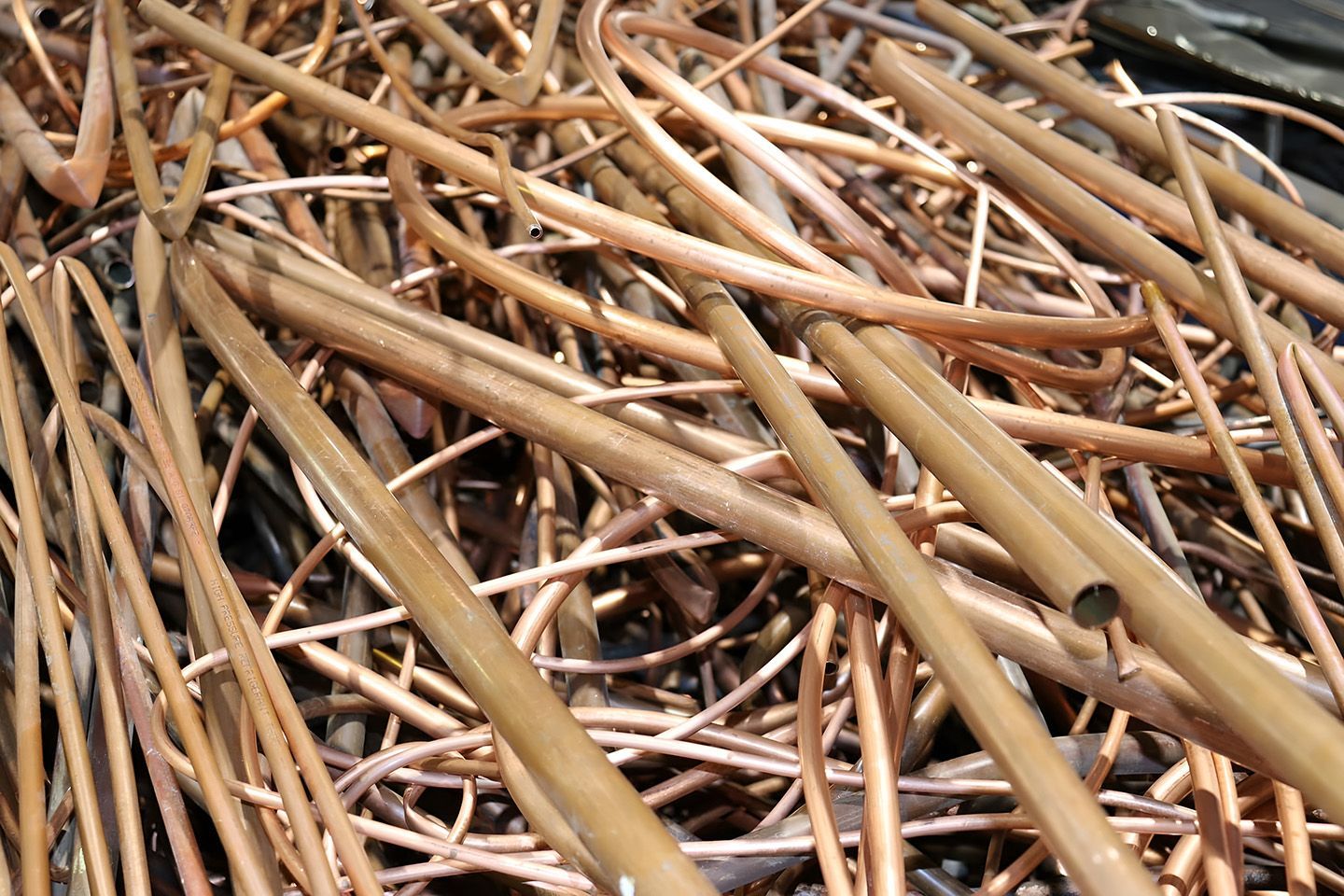
- Aluminium, steel, copper and other recyclable metals.
These materials are usually best handled through a simple collection or drop-off process with basic sorting beforehand.
Industrial Recycling Handles Larger & More Consistent Waste Streams
Industrial scrap metal recycling generally deals with higher volumes and more predictable material streams. Manufacturing facilities, workshops, construction businesses and maintenance operations may generate scrap every day or week, creating a need for organised collection schedules and suitable storage systems. Materials can range from structural steel and machinery components to production offcuts and non-ferrous metals.
Industrial recycling typically involves:
- Larger quantities of similar metals generated repeatedly.
- Heavy machinery, structural materials and manufacturing offcuts.
- Planned collection arrangements based on production volumes.
A structured recycling system is essential when scrap is generated regularly and in substantial quantities.
Collection Methods Change with the Volume of Scrap
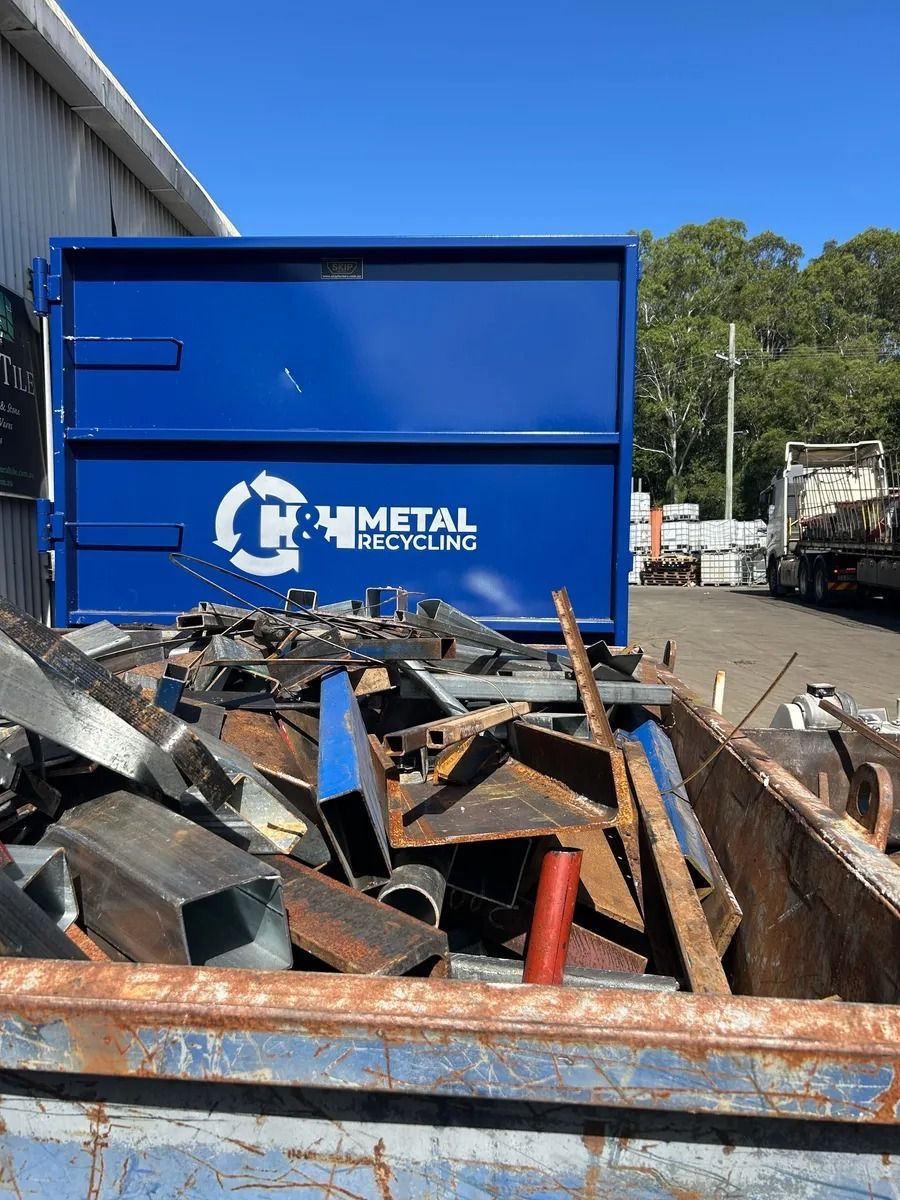
The amount of material being recycled has a major influence on how it should be collected. A homeowner with a small pile of metal may be able to arrange a simple drop-off or collection, while trades and businesses often need containers placed on-site. Scrap metal skip bin hire on the Sunshine Coast can provide a practical option when metal is generated over several days or throughout a project.
The most suitable collection method depends on:
- The expected volume and weight of the scrap.
- How quickly the material will accumulate.
- Whether the site has enough room for a suitable container.
Choosing the right collection method from the outset keeps the site organised and reduces unnecessary handling.
Industrial Sites Need More Structured Sorting
Sorting can directly affect both processing efficiency and the potential value recovered from scrap metal. Residential loads are often mixed, while industrial operations may generate enough material to justify separating metals at the source. Keeping steel, aluminium, copper and other materials apart can simplify processing and make it easier to identify higher-value non-ferrous metals.
Effective sorting requires:
- Separating ferrous metals from non-ferrous materials.
- Keeping contaminated or non-metal waste out of scrap loads.
- Using clearly designated storage areas for different materials.
For businesses using
scrap metal recycling on the Sunshine Coast, organised sorting creates a more efficient collection and processing workflow.
Container Requirements Differ Between Homes & Worksites
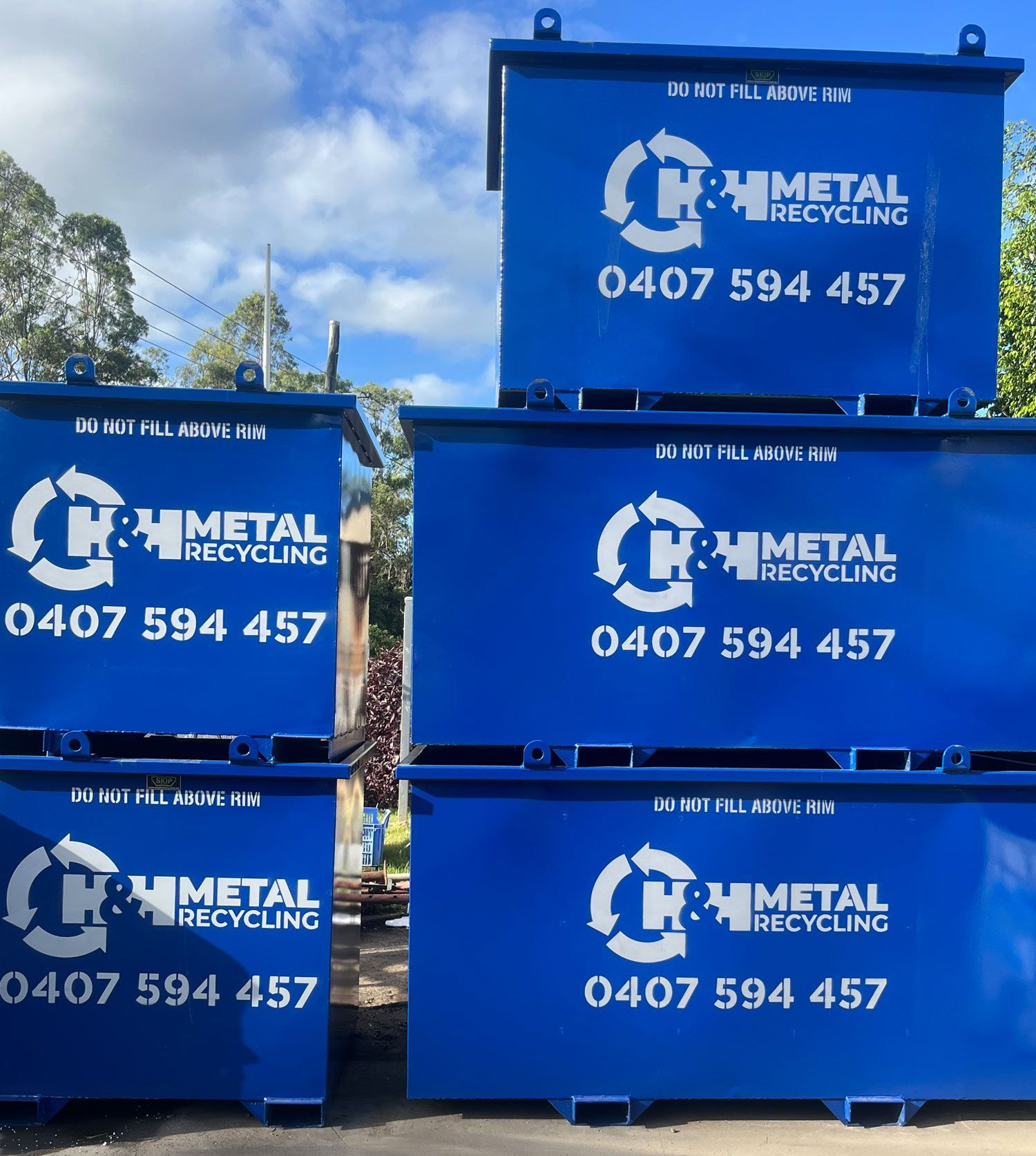
A small residential clean-up may only need a modest container, while demolition projects, workshops and industrial facilities can require much greater capacity. Different skip bins on the Sunshine Coast can suit different volumes and types of material, so choosing a container should be based on the expected scrap rather than simply selecting the largest available option.
Before choosing a container, confirm:
- What type of scrap metal will be placed inside.
- How much material the project is expected to generate.
- Whether access allows safe placement and collection.
Selecting the correct container helps prevent overfilling, repeated handling and avoidable collection delays.
Pricing Works Differently for Residential & Industrial Scrap
Scrap metal value is influenced by factors such as metal type, weight, condition and current market demand. Residential customers may arrive with smaller mixed loads, while commercial and industrial operators can generate larger quantities of separated material. This difference can affect how loads are assessed and how frequently recycling arrangements are reviewed.
Pricing is generally influenced by:
- Whether the metal is ferrous or non-ferrous.
- The total weight and level of material separation.
- Contamination or mixed waste that may require additional handling.
Preparing scrap properly makes it easier to assess and can support more efficient value recovery.
Regular Collection Can Improve Industrial Efficiency
Industrial and trade environments often benefit from scheduled collection because scrap can build up quickly and occupy valuable workspace. Arranging skip hire on the Sunshine Coast for ongoing projects can provide a designated place for recyclable metal while allowing collections to be planned around production or construction schedules.
Regular collection helps by:
- Keeping scrap away from active work and access areas.
- Reducing repeated manual movement of heavy materials.
- Creating a predictable recycling process for ongoing operations.
A consistent collection schedule is especially useful for businesses that generate scrap as part of normal daily activity.
Compliance & Site Management Matter More at Scale
Industrial operations generally have more complex site-management requirements than household recycling. Large volumes, heavy materials and frequent collections need to be handled in a way that supports safe access and practical waste management. Businesses may also need clearer internal processes for storing scrap, separating materials and arranging removal.
Good site management requires:
- Keeping collection areas accessible and free from obstructions.
- Preventing non-metal waste from contaminating scrap loads.
- Training staff to use designated recycling areas correctly.
Strong site processes make collections easier to manage and support a cleaner, safer working environment.
Choose the Right Recycling Service for Your Scrap
The main difference between industrial and residential recycling comes down to scale, material consistency, collection requirements and how often scrap is generated. Homeowners may only need an occasional collection, while trades, workshops and larger facilities often benefit from ongoing systems. For anyone arranging
scrap metal recycling on the Sunshine Coast, choosing a service that suits the type and volume of material can simplify the process and support better recovery of recyclable metal. We at
H&H Metal Recycling can help with residential, trade and industrial scrap requirements, including suitable collection options for different project sizes.
Contact our team to discuss your scrap materials and organise the right recycling solution.