What’s The Difference Between Ferrous And Non-Ferrous Metals In Recycling?
If you’ve ever sorted through old tools, appliances, building materials or renovation debris, you’ve probably wondered which items are worth taking to a scrap yard. While all metals can be recycled, their value and processing requirements vary depending on whether they’re classified as ferrous or non-ferrous. Understanding the difference not only helps you separate materials more efficiently but can also increase the return you receive when dropping off scrap metal on the Sunshine Coast.
Whether you're a homeowner clearing out the shed, a tradie managing job-site waste or a DIY renovator with leftover materials, knowing how metal types affect recycling makes the entire process easier and more environmentally effective. Below, we break down what ferrous and non-ferrous metals are, why the distinction matters and where you’re likely to find each type around the home or workplace.
What Are Ferrous Metals?
Ferrous metals contain iron. The word “ferrous” comes from the Latin term ferrum, meaning iron. These metals are known for their strength, durability and magnetic properties, making them common in construction, transport,
manufacturing and heavy-duty tools.
Key Characteristics of Ferrous Metals
- Contain iron as a primary component
- Magnetic, meaning they respond to magnets
- Very strong and durable, ideal for structural applications
- Prone to rust unless coated or protected from moisture
Because of their high strength, ferrous metals form the backbone of many buildings, vehicles and industrial equipment.
Common Ferrous Metals
- Mild steel
- Carbon steel
- Cast iron
- Wrought iron
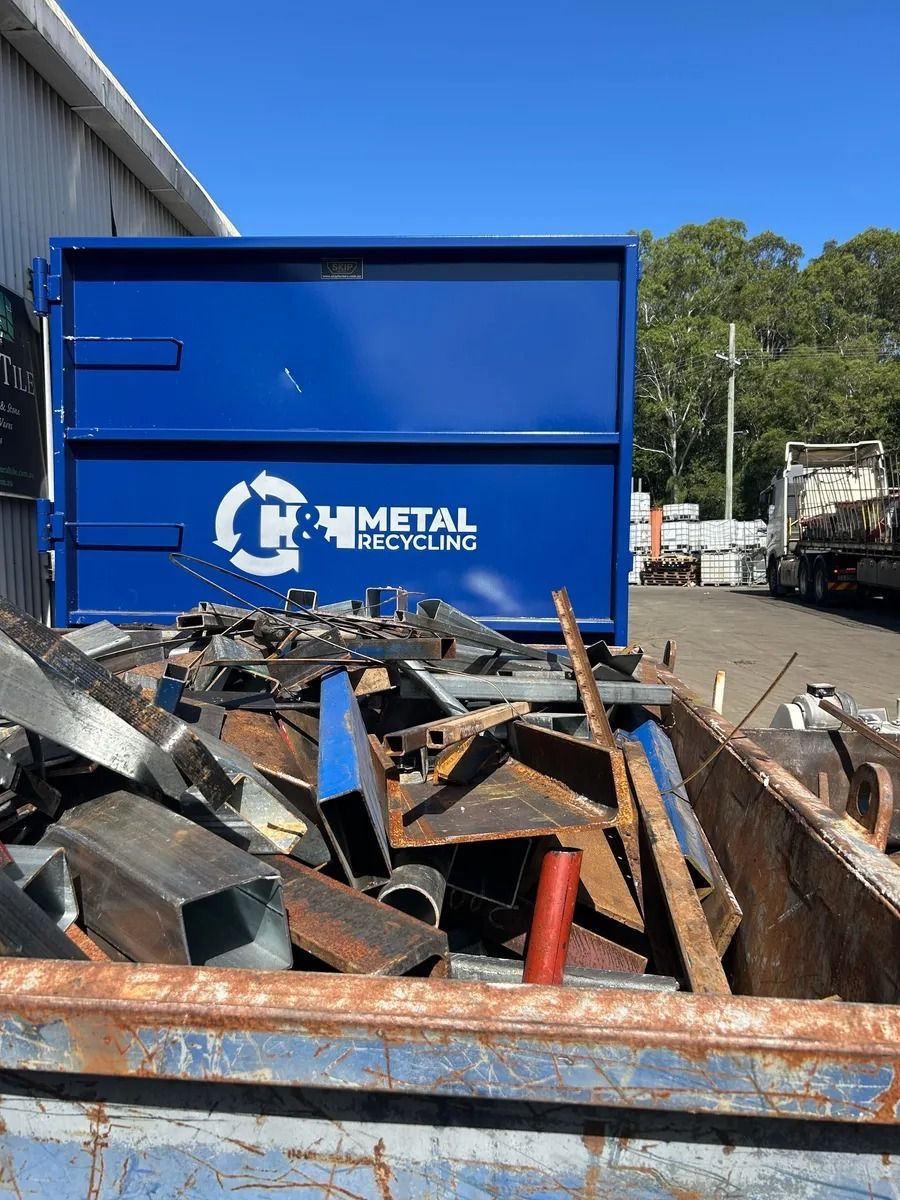
These metals often appear in large quantities on job sites, renovation projects and household
clean-ups.
Everyday Items Containing Ferrous Metals
You’ll commonly find ferrous metals in:
- Car bodies and engine parts
- Old fences and gates
- Steel framing, beams and reinforcing bar
- Tools and workshop items
- Cookware such as cast iron pots
- White goods like washing machines and fridges
If you can pick the item up with a magnet, it’s almost certainly a ferrous metal.
What Are Non-Ferrous Metals?
Non-ferrous metals do not contain iron. They are typically lighter, more resistant to corrosion and more valuable in the recycling market. Many of them also have excellent conductivity, making them essential in electrical and plumbing applications.
Key Characteristics of Non-Ferrous Metals
- No iron content
- Not magnetic
- Corrosion resistant, ideal for coastal climates
- Lightweight
- Often more valuable at scrap yards
These properties make non-ferrous metals especially popular for wiring, plumbing, electronics and outdoor applications.
Common Non-Ferrous Metals
- Aluminium
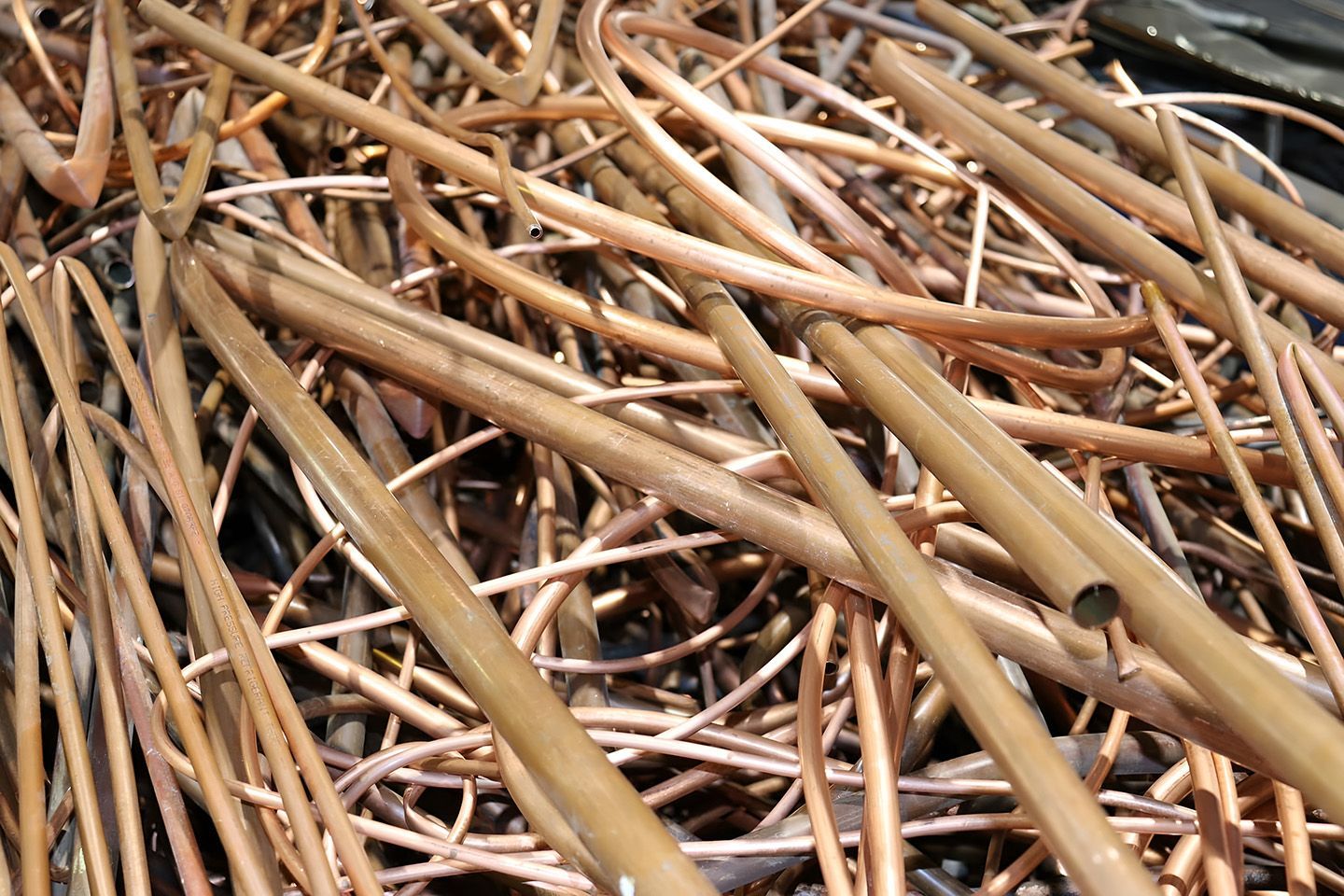
- Copper
- Brass
- Stainless steel (contains iron but is corrosion resistant due to chromium)
- Lead
- Zinc
- Nickel
Because these metals have high reuse value, they are sought after in scrap metal recycling on the Sunshine Coast.
Everyday Items Containing Non-Ferrous Metals
You’ll often find non-ferrous metals in:
- Electrical wiring and power cables
- Copper pipes and plumbing fittings
- Air conditioners and refrigeration units
- Aluminium window frames and ladders
- Car rims
- Brass taps, door handles and ornaments
- Batteries and electronic components
These items usually return a higher scrap value compared to ferrous metals.
Why the Difference Matters in Metal Recycling
Sorting ferrous from non-ferrous metal is more than just an exercise in organisation — it directly affects the recycling process, the environmental impact and the value you receive at drop-off.
1. Improved Recycling Efficiency
Scrap yards process each metal differently. Separating materials ensures recyclers can:
- Sort loads faster
- Reduce contamination
- Process metals using the right equipment
- Recycle more material with less waste
This leads to a more sustainable and efficient recycling chain.
2. Better Environmental Outcomes
Recycling metal saves natural resources, reduces mining impacts and cuts down on energy use.
Non-ferrous metals, such as aluminium and copper, can be recycled endlessly without losing quality — one reason they are so valuable.
By identifying metal types correctly, you help ensure more of your material makes it back into circulation.
3. Higher Scrap Value
Non-ferrous metals typically fetch higher prices due to their ongoing demand and excellent recyclability.
For example:
- Copper is one of the most valuable household metals
- Aluminium pays well when collected in larger quantities
- Brass and stainless steel offer solid returns
By sorting your materials before arriving at the yard, you maximise your payout and speed up your drop-off process.
4. Safer Handling of Scrap Metal
Some metals require special handling — especially old electronics, fridges, batteries or damaged structural materials.
Knowing what you’re dealing with helps you:
- Separate hazards
- Avoid contamination
- Prevent injury
- Protect your vehicle during transport
This makes your recycling trip quicker, safer and more organised.
How to Tell the Difference Quickly
Sorting metal doesn’t need to be complicated. With a simple magnet test and a quick visual inspection, you can identify most common items.
Magnet Test
- Sticks? Ferrous metal
- Does not stick? Non-ferrous metal
This is the simplest and most reliable method.
Visual Clues
- Ferrous metals: often darker, heavier and prone to rust
- Non-ferrous metals: usually brighter, lighter and more resistant to corrosion
Weight Test
- Copper and brass feel heavier than they look
- Aluminium feels extremely light
- Steel feels noticeably heavier
With regular practice, you’ll quickly become confident in identifying both types.
Common Household & Job-Site Examples
To make sorting easier, here’s a quick breakdown of items often found around homes, job sites and renovation projects.
Ferrous Metal Items:
- Car doors, bonnets and panels
- Structural steel offcuts
- Old lawnmowers
- Fencing posts
- Sheds and roof battens
- Steel shelving
Non-Ferrous Metal Items:
- Copper electrical wiring
- Air conditioner units
- Brass plumbing fittings
- Aluminium cans, ladders and window frames
- Stainless steel sinks
- Solar panel frames
If you’re unsure, a quick call to your local recycler can help.
Why Sunshine Coast Residents Benefit From Sorting Scrap Metal
Coastal regions use large amounts of aluminium, stainless steel and copper due to their corrosion resistance — meaning non-ferrous metals are commonly found during renovations, upgrades and clean-outs.
Sorting metal correctly benefits local households, tradies and the environment by:
- Increasing your recycling returns
- Reducing landfill
- Supporting local industry and manufacturing
- Lowering the energy footprint associated with producing new metal
If you’re regularly handling, replacing or disposing of metal parts, this knowledge helps streamline the whole process.
Scrap Metal Recycling on the Sunshine Coast – Easy, Fast and Rewarding
We at H & H Metal Recycling make it simple for homeowners, tradies and renovators to recycle both ferrous and non-ferrous scrap metal on the Sunshine Coast. Whether you’ve got old tools, construction offcuts, appliances, wiring, car parts or renovation debris, our scrap yard accepts a wide range of materials and offers fair, competitive pricing. Visit our website or explore our scrap yard services to turn your metal clean-up into a rewarding, environmentally friendly result.