When Scrap Metal Becomes Worth More Than You Expect
Scrap metal can be worth considerably more than expected, particularly when it contains valuable materials such as copper, brass, aluminium or stainless steel. The amount you receive depends on the metal type, condition, weight and current market demand. At H&H Metal Recycling, we help homeowners, tradespeople and businesses turn unwanted materials into cash through scrap metal recycling on the Sunshine Coast.
Whether you're clearing out a garage, renovating a property or managing leftover construction materials, understanding what makes scrap metal valuable can help you avoid throwing away something worth selling.
What Determines Scrap Metal Value?
Not all scrap metal is worth the same amount. Two piles that appear similar in size can have very different values depending on their composition and condition.
Scrap yards generally assess several factors before determining how much a load is worth. Understanding these factors can help you identify which materials deserve extra attention before recycling.
Metal Type and Composition
The type of metal is one of the biggest influences on scrap value. Non-ferrous metals, including copper, brass and aluminium, often attract higher prices per kilogram than common ferrous metals such as steel and iron.
This difference reflects factors such as market demand, processing requirements and the properties of each material. For example, copper is widely used in electrical and plumbing applications because of its excellent conductivity and durability.
Weight and Quantity
Scrap metal is commonly valued by weight, meaning larger quantities can generate greater total returns. While a few small offcuts might not seem worthwhile, collecting similar materials over several projects can produce a more substantial load.
For tradespeople and businesses, regularly setting aside recyclable metal can turn everyday waste into an additional source of income.
Condition and Purity
Clean, separated metals may receive better rates than mixed or contaminated materials. Paint, plastic, rubber, insulation and other attachments can affect how easily scrap can be processed.
For example, clean copper pipe may be assessed differently from copper attached to fittings or other materials. Keeping recyclable metals separate can make their value easier to identify.
Which Scrap Metals Are Most Valuable?
Some metals are consistently more sought after than others because of their industrial applications and recycling potential.
Knowing what to look for can help you recognise valuable materials in renovation waste, old equipment and everyday household items.
Copper
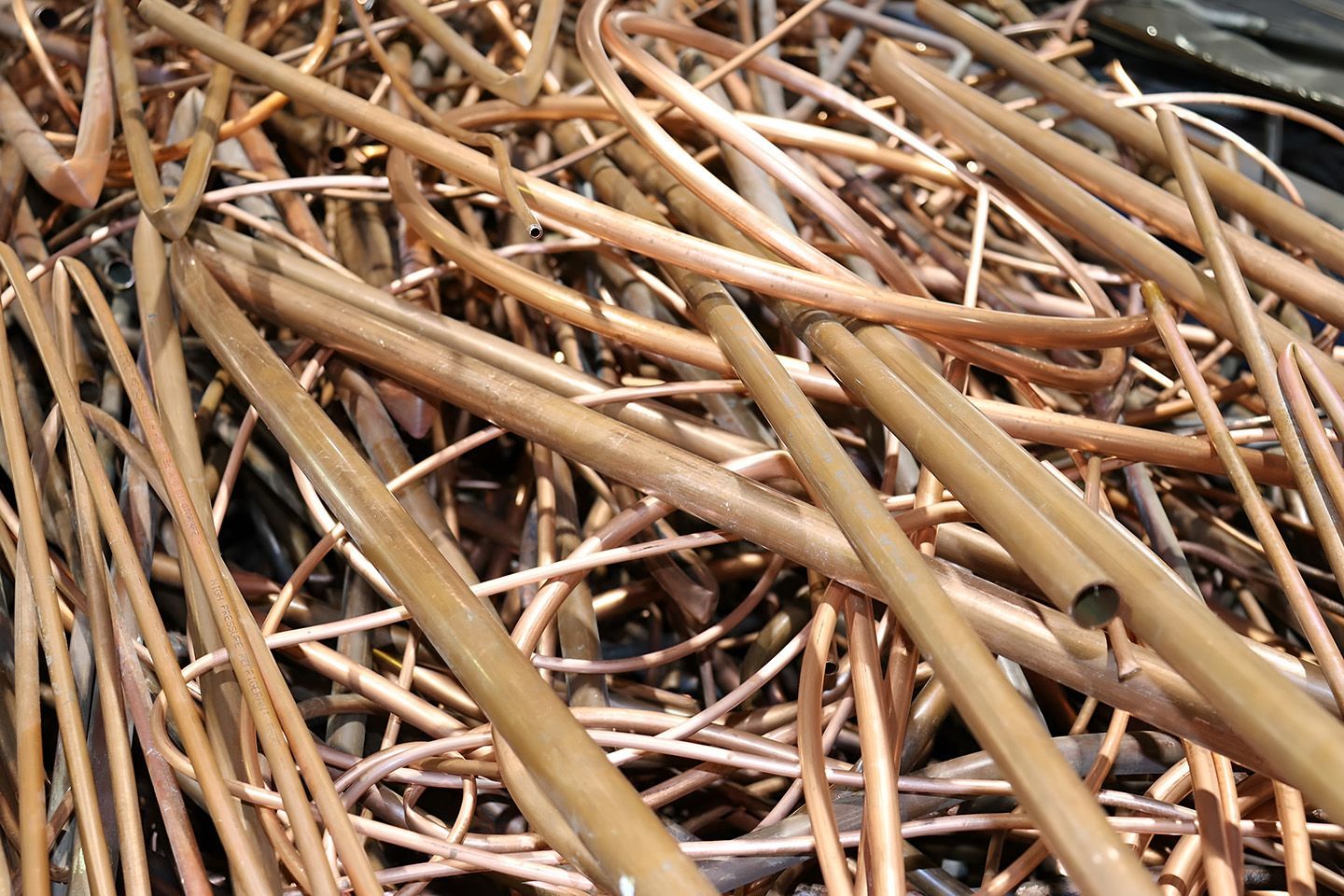
Copper is often among the more valuable common scrap metals. It is frequently found in electrical wiring, plumbing pipes, motors and air conditioning systems.
Electricians and plumbers may accumulate copper offcuts during installations and repairs. Rather than disposing of these materials with general construction waste, separating them can create an opportunity to recover some of their value.
Copper quality also matters. Clean copper, insulated wiring and mixed copper components may be graded differently.
Brass
Brass is commonly found in taps, plumbing fittings, valves, door hardware and decorative fixtures. Because it contains copper and zinc, it can be worth considerably more than ordinary steel scrap.
Homeowners renovating kitchens or bathrooms may unknowingly discard valuable brass components alongside other demolition materials.
Keeping brass fittings together instead of mixing them with steel and general waste can make recycling more straightforward.
Aluminium
Aluminium is lightweight, corrosion-resistant and widely used in construction, transport and manufacturing.
Common recyclable items include window frames, aluminium doors, automotive components, roofing materials and building offcuts.
Although aluminium may attract a lower price per kilogram than copper, larger quantities can still provide worthwhile returns. This makes it particularly relevant for builders, renovators and businesses handling substantial amounts of material.
Stainless Steel
Stainless steel is found in commercial kitchens, sinks, appliances, industrial equipment and architectural fittings.
Its value depends partly on the alloy grade and composition. Some grades contain higher proportions of nickel and other elements that influence their recycling value.
Separating stainless steel from ordinary steel can help ensure it is assessed appropriately rather than being treated as mixed scrap.
When Does Scrap Become More Valuable?
Scrap metal can become more valuable when market conditions change, materials are properly sorted or a larger quantity becomes available.
Several situations can make a noticeable difference to the amount received.
When Market Prices Increase
Scrap metal prices fluctuate in response to supply, demand and broader commodity markets. Changes in manufacturing activity, international demand and metal availability can influence the rates offered by recyclers.
For example, increased demand for copper used in electrical infrastructure may contribute to higher market prices, although local scrap rates are also affected by processing costs and other factors.
If you have accumulated valuable metals, checking current prices before selling can help you understand what your materials may be worth.
When Metals Are Properly Sorted
Mixed scrap can require additional processing to separate different materials. Sorting metals beforehand may reduce this work and help recyclable materials qualify for more appropriate grades.
A practical approach is to keep copper, brass, aluminium, stainless steel and ordinary steel in separate containers.
However, avoid attempting to dismantle electrical equipment, batteries or potentially hazardous components without appropriate training and safety precautions.
When Small Amounts Accumulate
Individual pieces of scrap may have limited value, but quantities can build up surprisingly quickly.
Consider a hypothetical electrician who saves copper wire offcuts from several installations. Each job might produce only a small amount, but combining those materials over time can create a worthwhile recycling load.
The same principle applies to plumbing businesses, mechanical workshops and construction contractors.
Hidden Scrap Value Around Your Property
Many homeowners have recyclable metals stored in garages, sheds and outdoor areas without realising they could be worth money.
Old equipment, leftover renovation materials and unused household fixtures may contain metals that recyclers purchase.
Some commonly overlooked sources include:
- Old plumbing fixtures: Copper pipes, brass taps, valves and fittings removed during renovations.
- Electrical materials: Unused copper wiring and suitable electrical components that have been safely disconnected.
- Window and door frames: Aluminium frames removed during property upgrades.
- Automotive parts: Radiators, electric motors and selected metal vehicle components.
- Kitchen equipment: Stainless steel sinks, benches and suitable appliances.
- Building materials: Steel beams, metal roofing and leftover construction offcuts.
Before disposing of these items, consider separating the recyclable metal from general rubbish.
For larger clean-ups, identifying valuable materials early can also prevent them from becoming mixed with demolition waste.
Why Tradespeople Should Save Scrap
Tradespeople often encounter recyclable metals as part of their everyday work. Over time, these materials can represent an overlooked opportunity to recover costs.
Electricians regularly handle copper wiring, plumbers work with copper pipes and brass fittings, while builders and roofers may accumulate steel and aluminium offcuts.
Rather than treating these materials as ordinary waste, businesses can establish simple collection practices.
For example, placing labelled containers in a workshop or work vehicle can make it easier to separate different metals throughout the week.
Regular metal recycling can also help businesses maintain tidier workspaces while reducing the amount of recyclable material sent to landfill.
For construction and demolition contractors, planning how scrap will be separated before work begins can make large-scale clean-ups more efficient.
How to Maximise Your Scrap Returns
Getting better value from scrap metal does not necessarily require specialist equipment or extensive preparation. A few practical steps can make a difference.
Separate Different Metal Types
Keep copper, brass, aluminium and stainless steel apart wherever practical. This helps prevent valuable materials from becoming mixed with lower-value scrap.
Remove Unnecessary Contamination
Where safe and practical, remove loose rubbish, packaging and other non-metallic materials. Avoid burning insulation, using hazardous chemicals or dismantling equipment that may contain dangerous substances.
Store Scrap Appropriately
Keep recyclable metals in a secure, accessible location until they are ready for collection or delivery. Suitable storage can help prevent unnecessary contamination and make handling easier.
Check Prices Before Selling
Because scrap prices change, contact a recycler for an up-to-date assessment rather than relying on outdated online estimates.
Provide details about the metal type, approximate quantity and condition to help the recycler understand your load.
Consider Collection for Larger Loads
Transporting heavy or bulky scrap can be difficult, particularly when dealing with machinery, appliances or construction materials.
H&H Metal Recycling offers
scrap metal collection services across the Sunshine Coast, helping residential and commercial customers manage larger quantities without arranging their own transport.
Turn Unwanted Metal Into Value
Scrap metal becomes more valuable when you recognise what you have, separate different materials and understand how market conditions affect pricing.
Whether it's copper wiring from an electrical job, brass fittings from a renovation or aluminium frames from a property upgrade, items that appear unwanted may still have worthwhile recycling value.
If you've been searching for scrap metal near me, choosing a local recycler can make it easier to assess your materials and arrange suitable disposal.
At
H&H Metal Recycling, we provide
scrap metal Sunshine Coast services for homeowners, tradespeople and businesses. Visit our scrap yard in Kunda Park or contact our team to discuss your materials,
request a quote or arrange collection.
Frequently Asked Questions
How can I tell if my scrap metal is valuable?
Start by identifying the type of metal. Copper, brass, aluminium and stainless steel often have greater value per kilogram than ordinary steel. A scrap recycler can assess the material and provide an estimate based on its grade, weight and current market conditions.
Can rusty scrap metal still be recycled?
Yes, many rusty steel and iron items can still be recycled. However, excessive contamination or deterioration may affect how materials are assessed. Contact your recycler if you're unsure whether a particular item is suitable.
Is it worth recycling small amounts of scrap metal?
Small quantities can still have value, particularly if they contain copper or brass. Whether selling them is worthwhile depends on the material, weight, transport costs and current rates. Accumulating similar metals over time may make recycling more convenient.
Do scrap yards accept old appliances?
Many scrap yards accept selected appliances containing recyclable metals. However, items such as refrigerators and air conditioners may require special handling because of refrigerants or other components. Check acceptance requirements before transporting appliances.
Can I recycle scrap metal from a home renovation?
Yes, renovation projects often generate recyclable materials such as copper pipes, brass fittings, aluminium frames and steel components. Separating these items during demolition or clean-up can make recycling easier and help preserve their potential value.